
Exploring New Avenues for Postsecondary Success: A Spotlight on Western Local School District
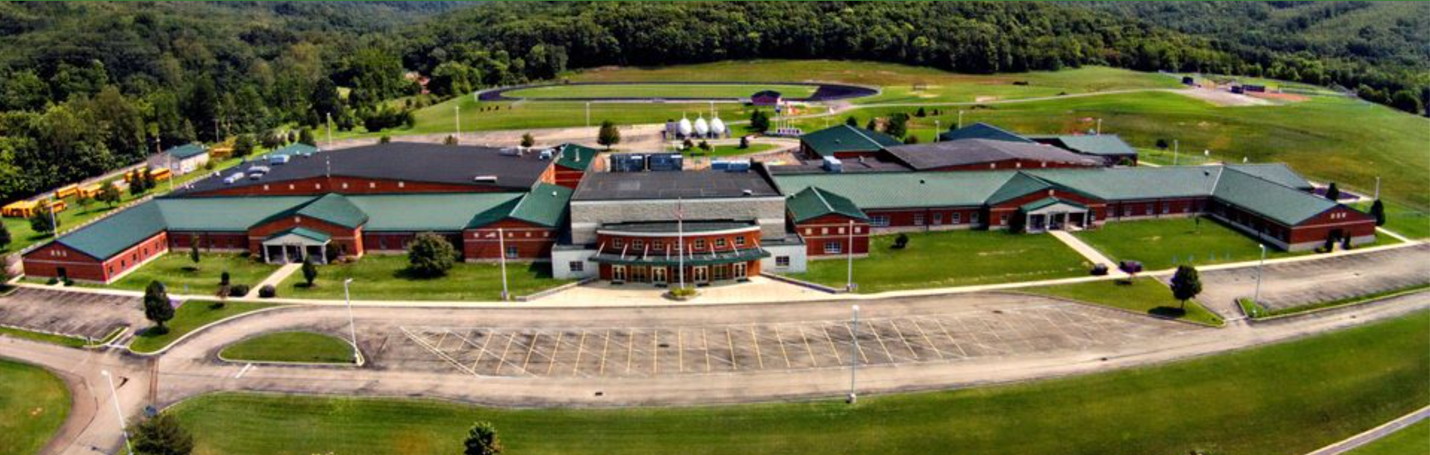
A decade ago, a majority of students in Latham were not proficient in most subjects, and despite academic interventions, professional training, and intensive supports, “We still didn’t seem to be gaining any ground academically,” said Pete Dunn, the School Improvement Director at Latham’s Western Local School District.
Western Local, a small, K-12 district in Appalachia, had adopted the motto: “Every student, Every day, Whatever it takes!” As district leaders ruminated on the district’s lingeringly low college enrollment, one thing became clear: sometimes, what it takes is a new approach.
A decade later, Western is changing the way students and the community access postsecondary pathways with their new Career Development Center.
Background
The idea of the career center was first conceived years ago. “We had great teachers, the curriculum was aligned, we were doing all the things we were told that we needed to do…” Dunn recounted. “And yet we seemed to be stuck."
Yet, as Dunn recalled, “We refused to resort to using the barriers of poverty, isolation, and community demographics as excuses. At the same time, there was an obvious realization: We will not make the gains academically until we address the non-academic barriers.”
Creating Wrap-Around Support for Students... and Families
District leaders already had some data that informed their focus. 95% of Western’s students come from poverty and lack exposure to adults with professional careers. Substance abuse is rampant in the area, while a high percentage of Western’s students are dealing with trauma related to neglect, abuse, and sub-standard living conditions.
“We will love them, provide for them, and teach them,” Dunn said. However, district leaders realized that focusing on maximizing the impact they could have on students in the time they spent in school was not enough. There was more they could do to remove barriers in students’ lives that prevented them from putting their focus on academics.
They made a commitment to provide on-site wrap-around supports to students, and through a partnership with Southern Ohio Medical Center, an on-site medical clinic was established. Mental health services were expanded: now, students would have access to licensed social workers all day, every day. Drug recovery services, family supports, and after-school supervision for students joined the suite of efforts to address physical, social, and emotional barriers impacting students’ academic performance.
A Focus on Post-Secondary Opportunity
As the district’s wraparound efforts began to result in academic gains, data examined through a partnership with the National Center for Rural Education Research Networks unveiled a new challenge: even with the wraparound supports, approximately 18% of students enrolled in postsecondary education by the fall following high school graduation, while only 10% persisted to a second year, underscoring the urgency for exploring alternate ways to expose students to what’s possible after school.
“We had to face the reality that we were doing a disservice to 90% of our students by not preparing them for success for their futures,” said Dunn.
As Dunn explained, leadership played a large role in the changing approach. Superintendent Brock Brewster wondered if changing the prospects for adult family members and giving them hope for a better future would influence students’ trajectories: What if families had opportunities for training, for employment, for higher wages, for betterment?
Would higher family incomes result in better conditions for students, greater exposure to opportunities, and greater access to supports? Would the districts’ students come to school better prepared and ready to engage in learning?
Through understanding this dual need—better preparation for students and greater opportunities for families—the idea of the Western Career Development Center was conceived, a testament to the district leaders’ commitment to holistic student and community development.
Breaking Ground
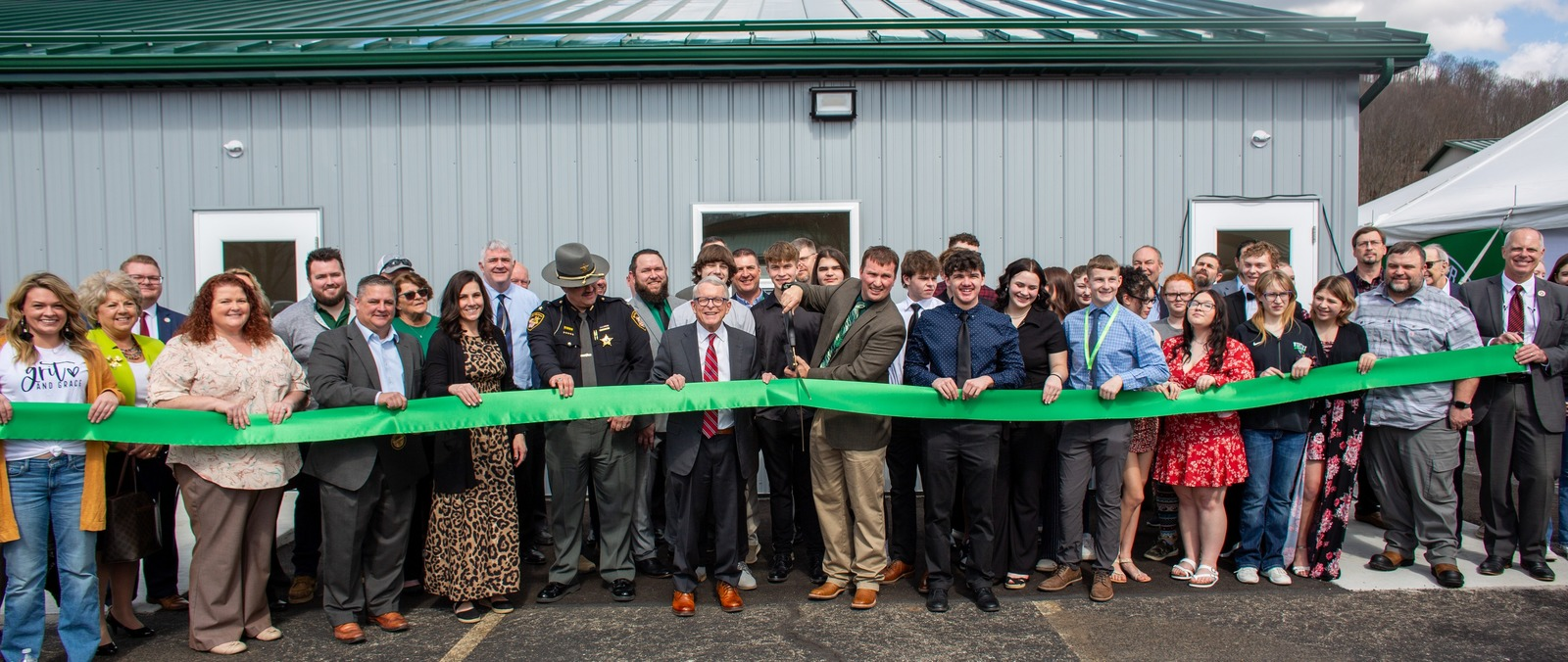
In March 2024, the Western Career Development Center officially opened to the public at a ribbon-cutting ceremony attended by Ohio Governor Mike DeWine.
The Center's offerings are multifaceted, catering to students and the broader Latham community. Adults seeking further education or industry certifications have access to the Center, while high school students can access online coursework and career resources.
Because cell-service and internet connections are unreliable in much of the district’s service area, the center is also open to community members, allowing them to work remote jobs or complete free industry-certification courses such as OSHA 30, a pre-requisite for careers like construction.
Expanding Opportunity
Dunn envisions an expansion that embraces diverse learning modalities, from on-site industry trainings to interactive community events.
Planning for this next phase is underway: Dunn shared that blueprints are being drawn up for the expansion of the physical building to include a 40’ x 40’ versatile training room that can be used for job fairs, markets, STEM fairs, food services, and a variety of community and student-led enterprises. Already, the district has proudly celebrated the graduation of the first student to come back and get her diploma after leaving the school system nearly a decade ago.
By moving beyond the narrow focus on the K12-to-college pathway, Latham’s investment in postsecondary success has opened up a world of opportunities for students and families.
For others looking to replicate the community’s success, Dunn offered the wisdom of experience. For a project like the Center, “It takes consistent communication, resource sharing, and cooperative planning.”
---------------------------
This blog is part of a new series aiming to explore and lift up the innovative work of NCRERN's partner districts.